
Escena de Themroc (1973)


Detalles de la escena
| Duración: 417 seg.. | Desnudez: yes | Creador: zorg |
| Nuevo tamaño de archivo: Loading... | Sonido: yes | Tamaño de archivo anterior: 580 mb |
| Formato de archivo: AOMedia Video 1 (WebM/AV1) | Resolución: 1800x1080 | Agregado: 2026-02-19 |
Actrices en esta escena
Detalles
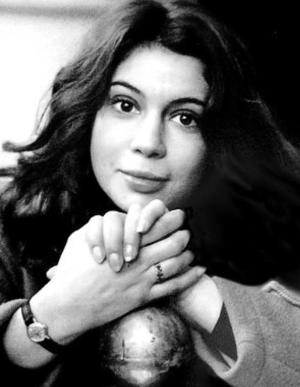
Nombres alternativos: Beatrice Romand, Béatrice Romand-Cogney
Características físicas: N/A
Carrera
Primeras apariciones:
Roles más importantes:
Puntos destacados de la carrera:
Premios
Premios:
Biografía completa
Born as Béatrice Romand on April 16, 1952, in Birkadem (near Algiers), French Algeria, she is a celebrated French actress and director. Romand gained international recognition as a muse of the renowned New Wave director Éric Rohmer, appearing in iconic films such as Claire's Knee (1970), A Good Marriage (1982), and Autumn Tale (1998).
In 1973, she took a notable turn in the anarchic cult classic "Themroc," portraying the sister of the protagonist in a performance that highlighted her versatility beyond Rohmer's conversational dramas. Throughout her career, she has also worked in international productions, including the German television series Graf Yoster gibt sich die Ehre and the British-French film The Romantic Englishwoman (1975). In addition to her acting work, she has explored filmmaking as a director and continues to be a respected figure in European cinema.
Sobre la película: Themroc (1973)
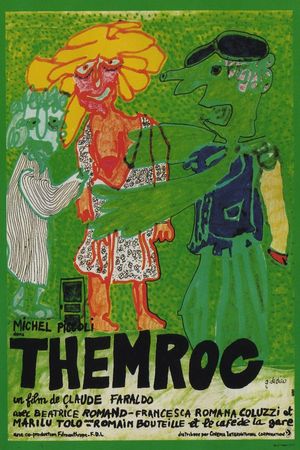
Título alternativo: Il mangiaguardie, Regresso às Cavernas, Темрок
Director: Claude Faraldo
Guionista: N/A
Producción & Género
Productor(es): Producer: Helène Vager, François de Lannurien
Compañías: Filmanthrope, Les Productions FDL
Género: Comedy, Drama, Horror Film
Premios & Similares
Premios:
Similar:
Palabras clave
Palabras clave: absurdism
Historia
Themroc, a bachelor house painter living with his mother, leads an unfulfilling life until one day he rebels against his mundane existence after a confrontation with his boss. He trashes his apartment, rejects modern society, and begins acting like a caveman, communicating solely through grunts and gestures. His radical transformation ripples outwards, causing chaos in his family and community as people struggle to comprehend his new way of life.
Resumen
Themroc (1973) is a French film directed by Claude Faraldo, starring Michel Piccoli as the titular character who undergoes a shocking transformation from a conformist bourgeois man into an urban Neanderthal. The film is notable for its complete absence of dialogue, with Piccoli's performance comprising only grunts and gestures to convey Themroc's rebellion against societal norms. It is a critique of modern society's expectations and the absurdity of human behavior when faced with nonconformity.