
Escena de La caduta degli dei (1969)


Detalles de la escena
| Duración: 241 seg.. | Desnudez: yes | Creador: Once |
| Nuevo tamaño de archivo: Loading... | Sonido: no | Tamaño de archivo anterior: 12 mb |
| Formato de archivo: AOMedia Video 1 (WebM/AV1) | Resolución: 544x416 | Agregado: 2005-12-24 |
Actrices en esta escena

Nombre de nacimiento: Ingrid Lilian Thulin
Fecha de nacimiento: 1926-01-27
Lugar de nacimiento: Sollefteå, Sollefteå Municipality, Sweden
Detalles
Nombres alternativos: Ingrid Lilian Thulin, Ingrid Tulean, Ингрид Тулин
Características físicas: N/A
Carrera
Primeras apariciones:
Roles más importantes:
Puntos destacados de la carrera:
Premios
Premios:
Biografía completa
Ingrid Lilian Thulin (Swedish pronunciation: [ˈɪŋːrɪd tɵˈliːn]; 27 January 1926 – 7 January 2004) was a Swedish film actress.
Thulin was born in Sollefteå, Ångermanland, northern Sweden, the daughter of Nanna (née Larsson) and Adam Thulin, a fisherman. She took ballet lessons as a girl and was accepted by The Royal Dramatic Theatre ("Dramaten") in Stockholm 1948.
For many years she worked regularly with Ingmar Bergman; among other films, Thulin appeared in Bergman's Wild Strawberries (1957), The Magician (1958, where she acted dressed as a boy), in Winter Light (1962), as well as The Silence (1963) and Cries and Whispers (1972).
She shared the Best Actress award at the 1958 Cannes Film Festival and received a Guldbagge Award for Best Actress in 1964, the first year the award was given out, for her performance in The Silence. Winner of the David di Donatello Awards 1974, Thulin was also been nominated for the BAFTA Award the same year. In 1980, she was the head of the jury at the 30th Berlin International Film Festival.
She was married to Harry Schein, the founder of the Swedish Film Institute, for more than 30 years until 1989, although they had lived separately for many years before the divorce. She bought an apartment in Paris, France in the early 1960s and some years later a beach house in San Felice Circeo. In 1970 she became a resident of Sacrofano, Italy, where she lived for 34 years. She returned to Sweden for medical treatment and later died from cancer in Stockholm, Sweden, 20 days shy of her 78th birthday.
Ingrid Thulin
Sobre la película: La caduta degli dei (1969)
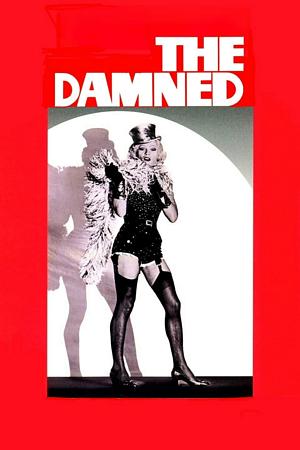
Título alternativo: The Damned, Die Verdammten
Director: Luchino Visconti
Guionista: Enrico Medioli, Luchino Visconti, Nicola Badalucco
Producción & Género
Productor(es): Producer: Ever Haggiag, Pietro Notarianni, Alfred Levy
Compañías: Eichberg-Film, Ital-Noleggio Cinematografico, Pegaso Cinematografica, Praesidens (IT)
Género: Art Film, Drama, Lgbt-Related Film, War
Premios & Similares
Premios:
Similar:
Palabras clave
Palabras clave: nazi, poison, orgy, opportunist, family relationships, industrialist, murder, male homosexuality, cross dressing, pedophile, gestapo, incest, lgbt, third reich (iii reich 1933-45), decadence, debauchery, aryan, weimar, germany, 1930s, child suicide, wealthy family, sexual deviants, power madness, mother son relationship, pre-war, political purge, nazi germany, political opposition, weimar republic, lust for power
Historia
In 'La caduta degli dei', the wealthy Von Essenbeck family gathers for dinner in 1934 at their estate during a time of political turmoil in Germany. During the evening, two young girls recite poetry and play hide-and-seek with their cousin Martin. Suddenly, there is a scream from the baron's room; he has been shot with their father's gun. The father flees the country immediately afterwards.
Resumen
'La caduta degli dei' (1969) is an art film directed by Luchino Visconti that explores the dynamics of power and familial relationships during the early years of Nazi Germany's rise. The film focuses on a single, dramatic event at a family dinner in 1934, which serves as a catalyst for change and upheaval among the aristocratic Von Essenbeck family.